The Five Capabilities and the Soft Signals: How Hospital CIOs Really Evaluate Device Integration Leaders
For most hospitals the medical device integration used to live quietly inside the biomedical engineering department. It surfaced in the CIO's world only when an interface broke or an audit flagged missing data. That era is over. Bedside monitors, infusion pumps, ventilators, and smart beds now generate the clinical signal that feeds sepsis algorithms, early…

For most hospitals the medical device integration used to live quietly inside the biomedical engineering department. It surfaced in the CIO’s world only when an interface broke or an audit flagged missing data.
That era is over.
Bedside monitors, infusion pumps, ventilators, and smart beds now generate the clinical signal that feeds sepsis algorithms, early warning scores, and ambient documentation tools. When integration falters, AI initiatives stall, nursing documentation reverts to manual entry, and the EHR investment underperforms.
CIOs have responded by elevating MDI from a buried technical function to a named leadership role, often a Director or Senior Manager of Medical Device Integration sitting alongside the EHR and infrastructure leaders. Filling that seat is harder than it looks. The right person sits at the intersection of clinical operations, biomed, IT, and cybersecurity.
What follows is what CIOs actually evaluate when hiring into that role.
Five Capabilities CIOs Evaluate Before Hiring
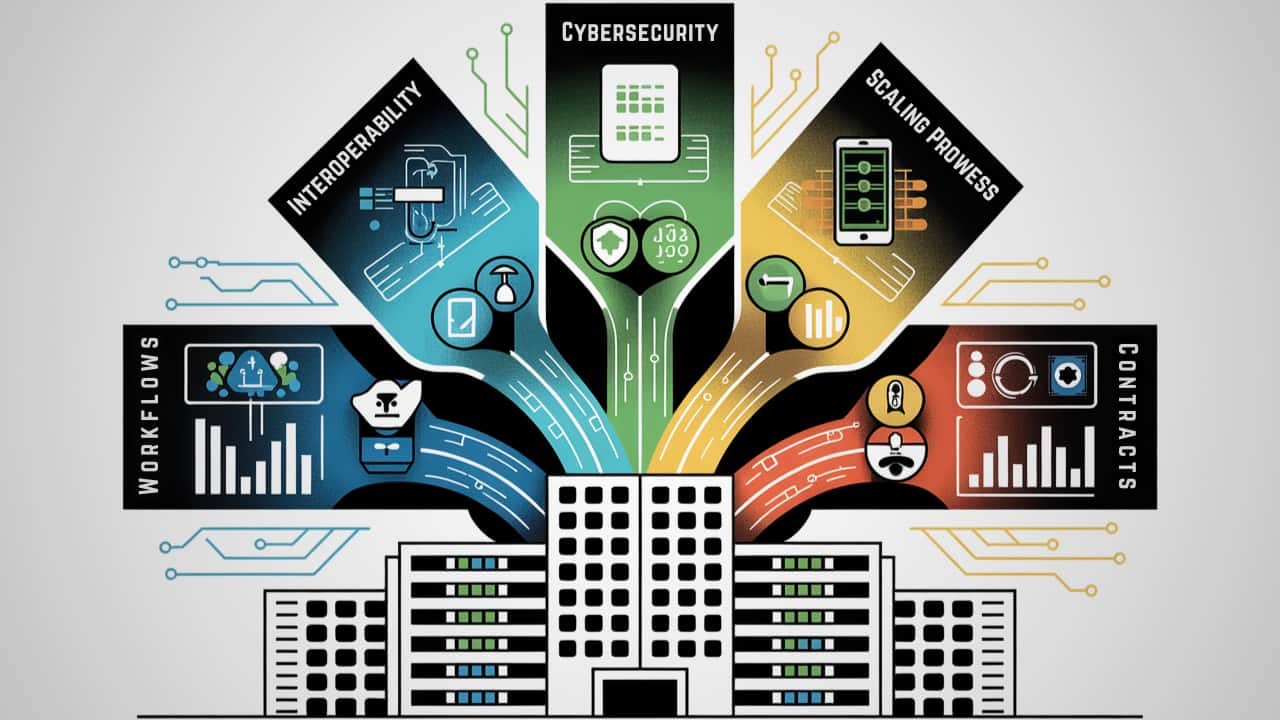
Every CIO has a mental shortlist before the first interview. These five capabilities form the floor. A candidate missing any one of them rarely advances past the second round, regardless of how strong the resume reads.
Proven Interoperability Across EHR and Device Ecosystems
CIOs want a leader who has personally stood up integrations across Epic or Oracle Health and a mixed device fleet, not someone who managed a team that did it.
They probe for specifics. Which HL7 v2 segments caused problems during the last Epic upgrade. How the candidate handled a Capsule or Bernoulli migration. What they learned from a failed device association project.
Vendor neutrality matters in a leader the same way it matters in a platform. A candidate who only knows one middleware stack tends to recommend that stack regardless of fit, and CIOs have learned to filter for breadth over loyalty.
Clinical Workflow Understanding, Not Just Technical Capability
The fastest way to lose a CIO in an interview is to describe device integration purely in terms of data pipelines and message throughput.
The strongest candidates talk about night-shift nurses, alarm fatigue, and the moment a patient moves from PACU to a med-surg floor without losing telemetry. They have rounded with nursing, sat through a code, and watched a respiratory therapist juggle three ventilators.
CIOs notice when a candidate uses clinical language naturally versus when they retreat to technical jargon under pressure. The leaders who win these roles can translate between a CNO and a network engineer in the same meeting.
Cybersecurity and Compliance Maturity
Device integration sits on the most sensitive network segment in the hospital, and the CISO is now a permanent presence in MDI conversations.
CIOs expect their MDI leader to discuss network segmentation, certificate management, legacy device risk, and FDA premarket cybersecurity guidance without deferring to security colleagues. They want someone who has partnered with a CISO on a real incident, not someone who has only read the policy.
Candidates who treat security as a constraint to work around rather than a discipline to internalize get filtered out quickly, often by the CISO sitting in on the second interview.
Scalability Across Service Lines and Facilities
A leader who has only run integration in a single hospital tends to underestimate what a multi-site health system requires.
CIOs evaluate whether the candidate has managed MDI across mixed environments: high-acuity ICUs with continuous waveform capture, med-surg units with episodic vitals, ambulatory sites with intermittent device use, and remote patient monitoring. They probe how the candidate handled an acquisition that added a new EHR and a new device fleet overnight, how they standardized configuration across sites, and how they prioritized when ten facilities all wanted to go first.
Experience operating at system scale is increasingly a hard requirement, not a nice-to-have.
Financial and Vendor Management Fluency
MDI leaders own significant contracts: middleware platforms, device driver licensing, professional services, and ongoing maintenance.
CIOs want someone who can read a vendor contract, challenge per-device pricing, and build a five-year TCO model that finance will accept. Equally important is the ability to manage the vendor relationship after signing, holding the partner accountable on roadmap commitments and escalating when service levels slip.
Candidates who have only been technical implementers and have never owned a vendor relationship tend to struggle here, and CIOs probe for it directly.
The Soft Signals CIOs Watch For
The five capabilities determine whether a candidate makes the final round. The soft signals determine who gets the offer.
CIOs pay close attention to how a candidate handles ambiguity, because MDI work is full of it. Device manufacturers that will not share documentation. EHR upgrade timelines that shift. Biomed teams that report into a different leadership chains entirely.
They also watch how candidates talk about past failures. The strongest leaders name a specific project that went wrong, explain their role in it, and describe what they changed afterward. Candidates who only describe successes signal either inexperience or a lack of self-awareness, and both are disqualifying at this level.
CIOs weigh how a candidate talks about the people around them: nursing, biomed, the help desk, the vendor account team. Leaders who speak with respect about partners they have disagreed with tend to build the cross-functional coalitions MDI requires.
Those who speak dismissively about any group, especially biomed or nursing, rarely survive their first year in the role.
How Devicentric Supports MDI Leaders
Devicentric works alongside the MDI leaders hospitals hire into these roles, providing the platform, expertise, and partnership that lets them deliver against the expectations their CIO has set.
If you are building or strengthening an MDI function, we welcome a conversation about what your leader will need to succeed.
Want me to add a sidebar of sample interview questions a CIO might actually ask, draft a meta description and LinkedIn teaser for distribution, or tighten any section further?