Master Medical Device Integration — Fast
Build a Comprehensive Approach to Medical Device Integration
Guides, tools, and deep technical breakdowns for engineers, integrators, and clinical IT leaders.

Our Content Focused Education
Focused Medical Device Integration Blog Content To Educate
Growing your knowledge is vital to your success within MDI, the more you grow the more valuable you are to your team and your company.
Career & Industry
Hiring trends, salary benchmarks, role evolution, and insider interviews shaping the Medical Device Integration profession. Tactical guidance for entering, advancing, and positioning yourself in a rapidly consolidating healthcare technology market.
Cybersecurity & Risk
Device segmentation strategy, ransomware exposure pathways, network hardening, and real-world mitigation models. Deep analysis of how vulnerable bedside devices become enterprise attack vectors, and how to engineer resilient architectures.
Failure & Lessons
Integration outages, interface breakdowns, upgrade disasters, and post-mortem dissections to inspire growth. Hard-earned lessons from production failures that reveal architectural weaknesses, governance gaps, and preventable design flaws.
Field Reports
Real project breakdowns from live hospital environments. Architecture diagrams, deployment decisions, political friction, workflow trade-offs, and measurable outcomes… no theory, just operational reality.
Future of MDI
AI monitoring, predictive alarms, telemetry virtualization, and the shift toward software-defined clinical infrastructure. Strategic forecasting on where device integration is heading, and which skills will matter next.
Vendor Analysis
Comparative evaluations of integration platforms, middleware, device ecosystems, and telemetry vendors. Technical strengths, architectural constraints, interoperability gaps, and long-term scalability considerations.
Five Pillars of Medical Device Integration
Engineering the Invisible Infrastructure of Healthcare
Medical device integration is not a niche; it is the nervous system of modern hospitals. These five domains define the architecture, technologies, platforms, and career paths shaping the next decade of clinical data flow.
Architectures
Design the Infrastructure Behind Clinical Data Flow
Centralized vs distributed models. Edge gateway vs direct-to-EHR. Virtual ICU frameworks. Redundancy strategies. Cyber-segmented VLAN design. Each architecture breakdown includes diagrams, use cases, pros/cons, cost implications, risk modeling, and real hospital deployment scenarios. This is systems-level thinking, not surface commentary.
Explore Architecture Blueprints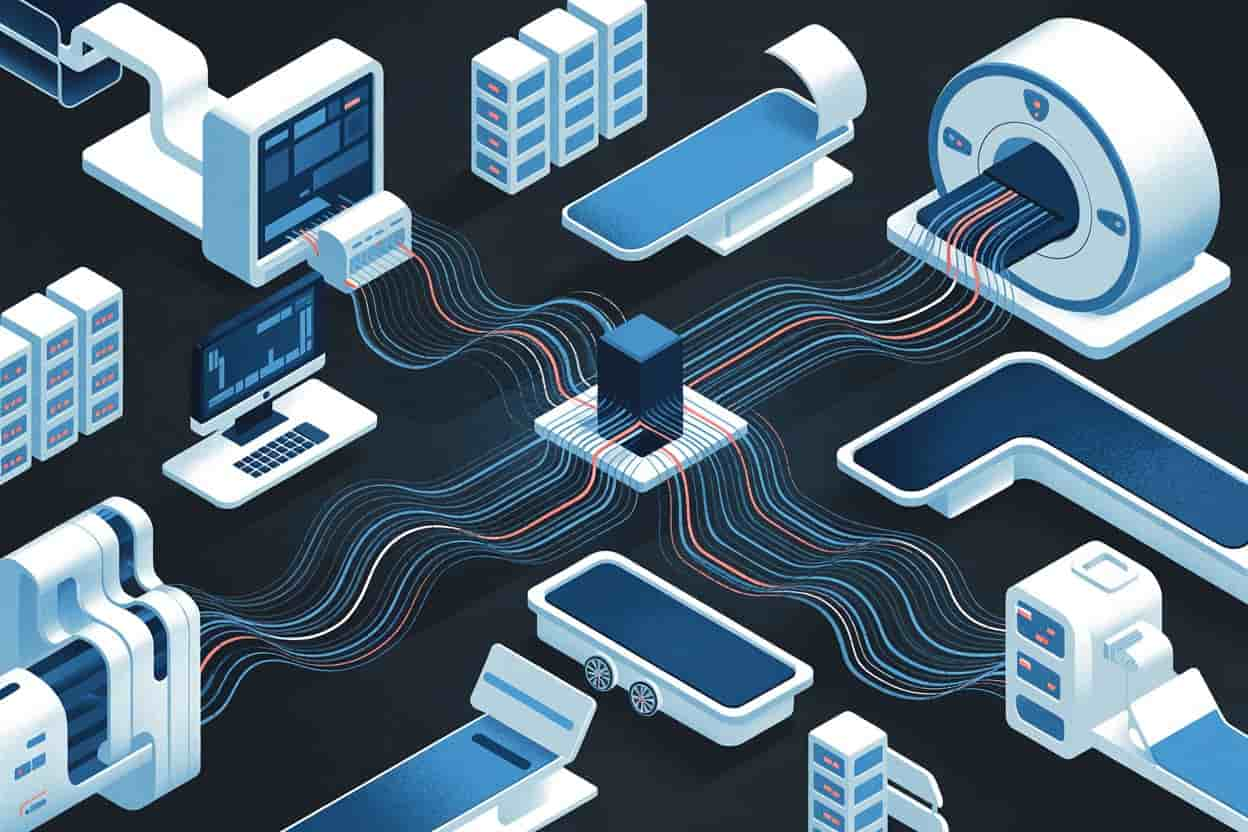
Career Paths
Build a Strategic Entry Into Medical Device Integration
Role types, required backgrounds, certifications, compensation bands, growth trajectories, and transition pathways from Biomed, Nursing, IT, or Military electronics. Every post maps a real progression path—from first analyst role to systems architect—so readers can reverse engineer their entry into the field.
Map Your MDI Career
Device Profiles
The Most Detailed Integration Library Online
One device per post. Manufacturer. Interface type. Protocol. Middleware compatibility. Data output frequency. Known quirks. Failure patterns. Cybersecurity considerations. Real-world integration notes from production environments. This becomes your long-term authority asset: a living reference library hospitals actually need.
Browse Device Library
Integration Protocols
Understand the Language Devices Speak
HL7 v2. FHIR. IEEE 11073. Serial RS-232. TCP/IP over LAN. Each protocol is documented with OSI layer mapping, transport method, encryption support, clinical use case, device types using it, packet structure notes, and architectural limitations. This separates conceptual familiarity from true interoperability literacy.
Study Integration Protocols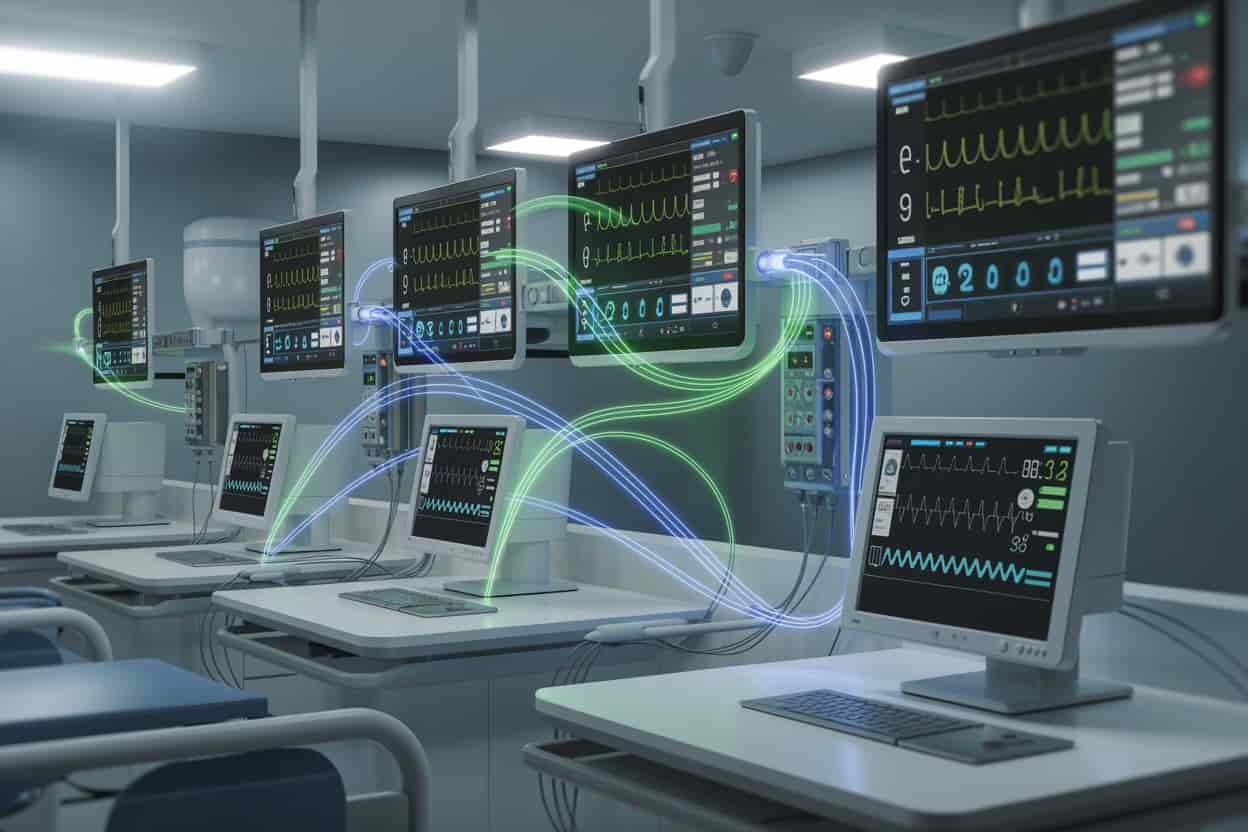
Middleware Platforms
Compare the Engines Powering Device Data
Capsule. Epic Device Integration. Cerner CareAware. Philips IntelliBridge. Each platform analysis covers supported protocols, deployment model, hospital size fit, interoperability ceilings, upgrade complexity, and real implementation friction points. Designed for architects, not marketers.
Compare Middleware Platforms